
Regenerative Systems
How Arcadia feeds itself, powers itself, and repairs the land
Food Systems

Turning sun & soil into daily bread
The Fieldworks are Arcadia’s beating heart. If this part fails, nothing else matters.
We begin with the land’s shape and its scars. Contours are read, not ignored. Water flow is slowed and spread, not fought. Soil is treated as a living being, not a substrate.
In practice, that looks like:
• Terraced garden beds that follow the curve of the hill instead of cutting across it.
• Food forests that layer canopy, understory, shrubs, herbs, groundcovers, and roots so that every level of light does useful work.
• Rotational grazing for small livestock, moving animals across pasture lanes so they fertilize and trample in patterns that build soil rather than destroy it.
• Mushroom cultivation in shade and along wood edges, turning fallen limbs and byproducts into food and medicine.
• Hedgerows of berries and nitrogen fixing shrubs that shelter birds, hold soil, and feed people in season.
Annual crops grow closest to the Hearthhold where eyes and hands pass every day. Perennials claim more of the middle ground as the years go on, doing quiet work with less constant input.
The measure of success is simple:
Is there more life in the soil, more insects, more birdsong, more resilience in drought and storm than there was a few years ago?
Water & Waste Systems
Water is the true master of the land. The stronghold is designed to follow its lead instead of pretending to command it.
On the supply side:
• A primary well or spring developed and tested, with storage sized for the community and the animals that depend on it.
• Gravity and low energy pumping favored wherever the terrain allows, so the community drinks whether the inverters are happy or not.
• Roof catchment and cisterns used where appropriate to ease pressure on the main source and to water gardens without waste.
On the movement side:
• Swales and contour ditches slow and spread runoff, turning storm water into a gift instead of a force of erosion.
• Check dams and small earthworks are placed where water wants to rush, teaching it to linger instead.
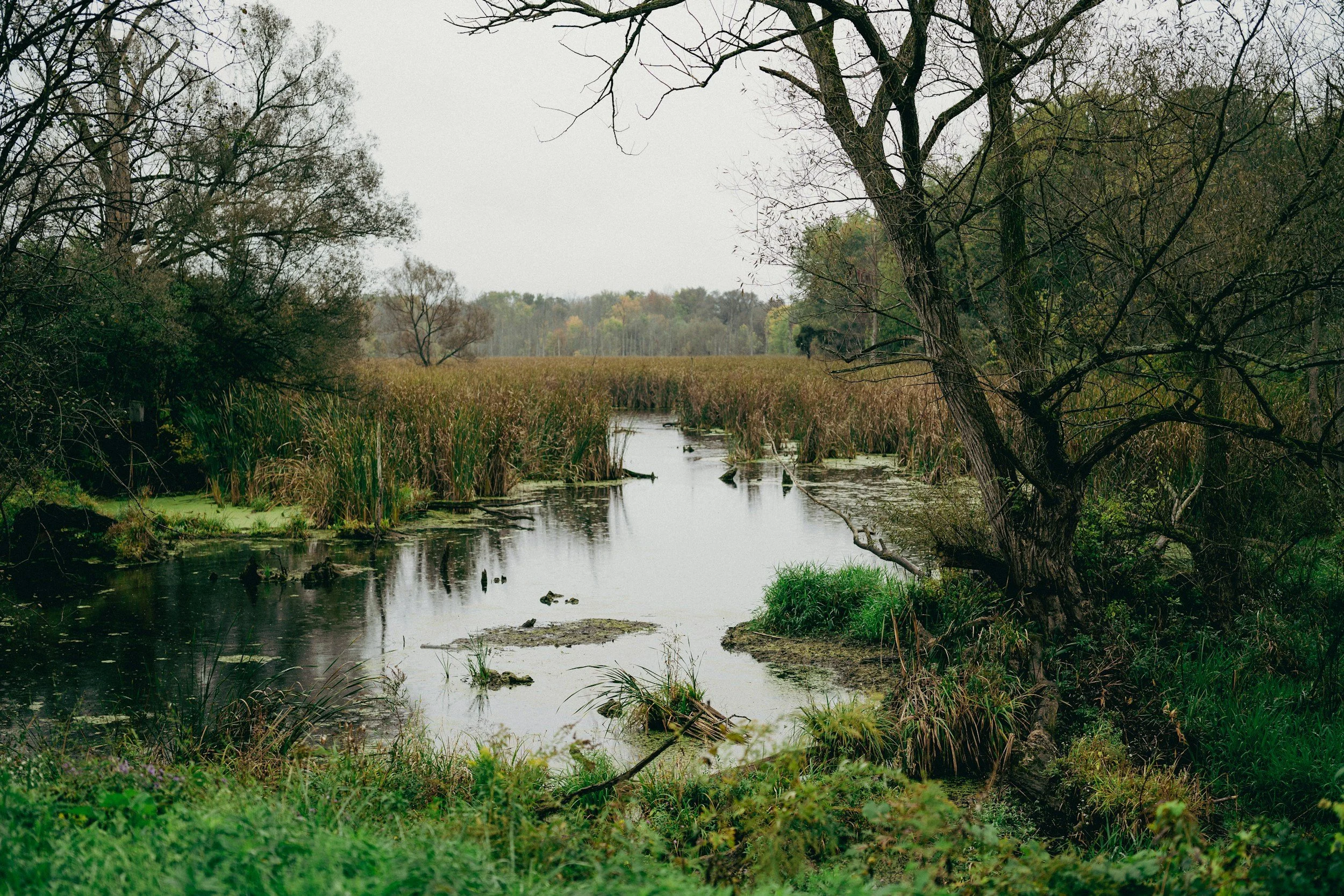
• The Stillwaters basin is protected as a sponge and filter, not treated as a nuisance to be drained.
On the waste side:
• Composting toilets or carefully designed septic, chosen to fit the site and code while honoring the land’s limits.
• Greywater directed into planted beds that turn yesterday’s dishwater into tomorrow’s fruit.
• Organic “waste” from kitchens, gardens, and animals cycled back into compost, vermiculture, and biochar to feed soil life.
Nothing in Arcadia is thrown “away.” There is no “away.” Everything either feeds the cycle or chokes it. We choose to feed it.
Closing the loops
energy systems
Quiet, sustainable power,
simple enough to fix
Arcadia’s energy design starts from one assumption: someday, the world around us will have a bad year. The lights going out elsewhere should be an inconvenience here, not a catastrophe.
To that end, we use layered, repairable systems rather than one brittle, oversized machine.
• Solar photovoltaic arrays sized first for essential loads: lighting, communications, water pumps, basic tools.
• A battery bank housed where it is protected from weather and physical damage, wired in a layout that a competent resident can understand and maintain.
• Inverters and distribution kept as simple and modular as possible so parts can be swapped without hiring a distant specialist every time.
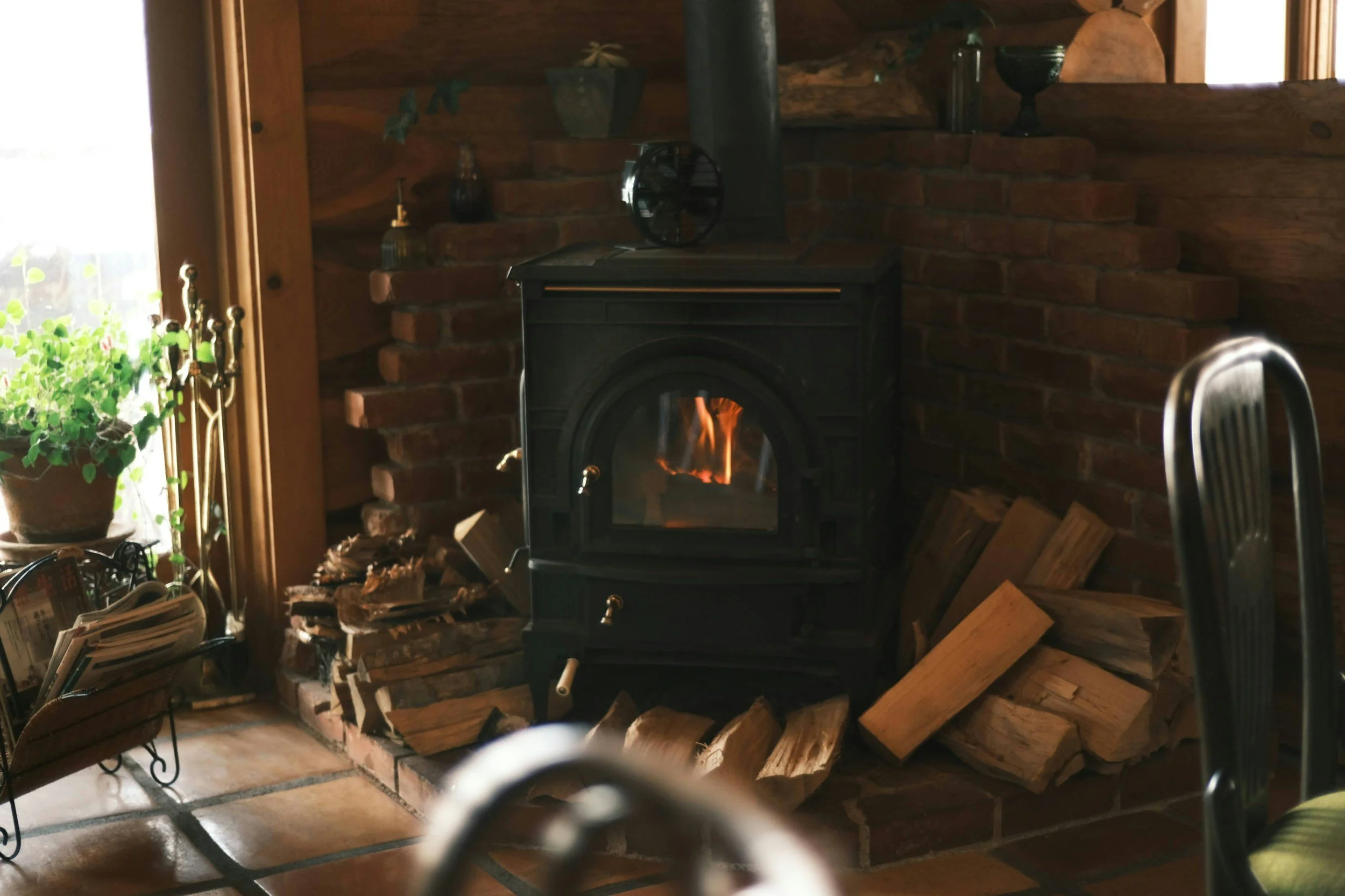
• Wood heat as the backbone for warmth, paired with high efficiency stoves or rocket mass heaters to stretch each split log as far as it will go.
• Passive solar design in buildings: good siting, sound insulation, deep overhangs, thermal mass where it belongs.
Generators and higher tech tools may appear at the edges, but they are treated as conveniences, not life support.
The aim is a power system that hums quietly in the background and can be revived by the people who live with it, even after a long winter.
Education systems
Keeping the knowledge alive
Regenerative systems fail when the people who inherit them do not know how they work. Arcadia is built to be a school as much as a homestead.
Children grow up seeing swales dug, fences mended, fruit trees pruned, wounds tended, and wood stoves tuned. Adults are expected to keep learning, trading comfort for competence.
Teaching here is not an afterthought. It is part of the design.
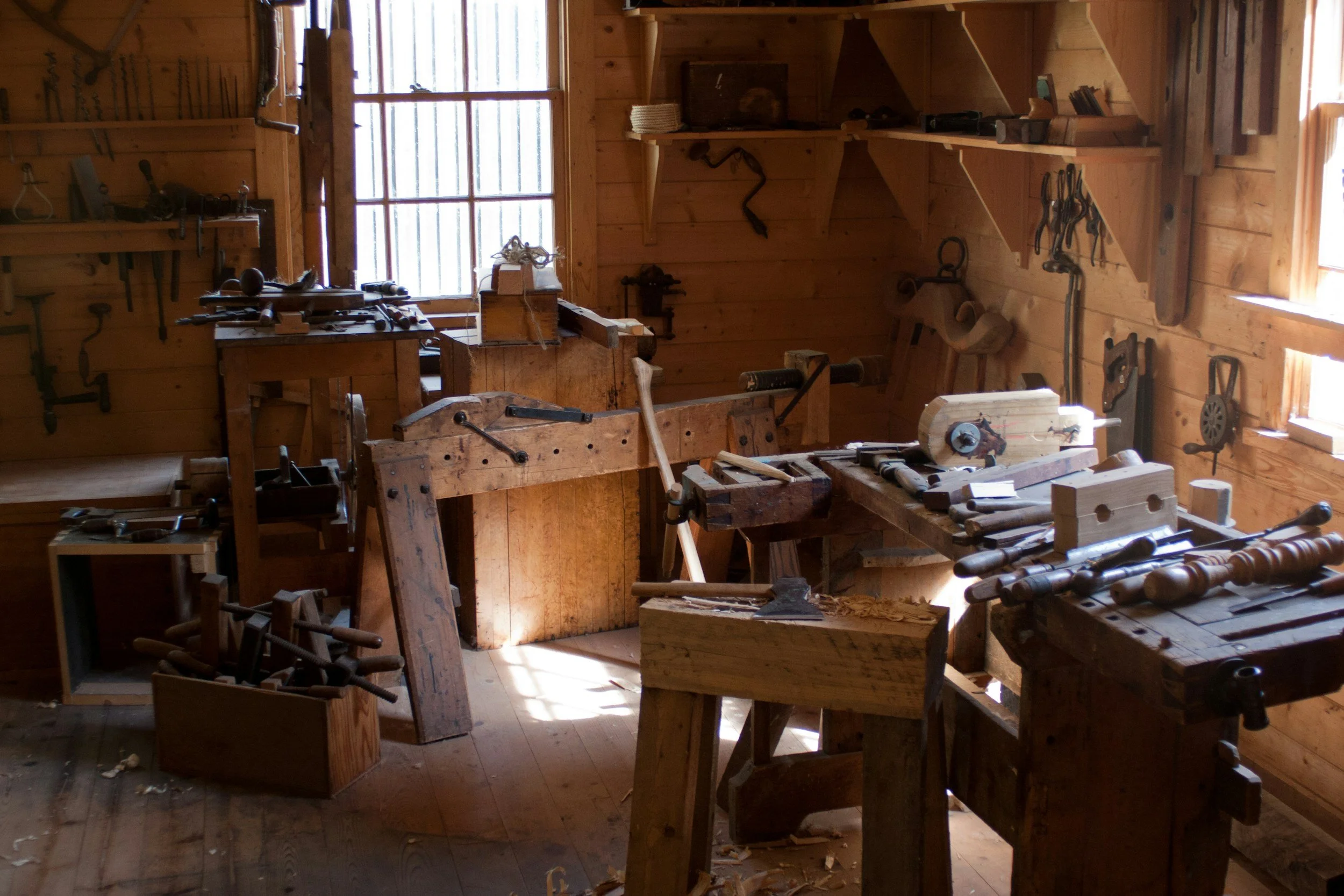
• Apprenticeships in gardening, forestry, animal care, herbalism, blacksmithing, carpentry, millwrighting, and basic mechanics.
• Seasonal courses and workshops where visitors learn the principles behind what they see in the field.
• Field journals, maps, planting logs, and repair manuals stored in a physical archive, written so that someone picking them up decades from now can carry on the work.
• Story, rites, and the Arcadian Accord tying all of it into a lived ethic, so techniques are always in service to Natural Law and not just yield.
Tools wear out. Buildings age. People grow old. The only way the stronghold remains truly regenerative is if the knowledge and the will to use it are passed hand to hand.
walking into the systems
These systems are already being laid out in plan and on the ground. They will mature year by year, like the trees that anchor them.
If you want to see how they connect to the wider body of Arcadia, there are two natural paths to walk next: